In Sickness Nor Health
Posted by fxckfeelings on April 4, 2019
Having crushes turn into obsessional attachments may seem like a bizarre weakness or psychiatric symptom that only happens to people who lack pride, insight, or self-respect (or like the premise to an excellent musical sitcom). In reality, such obsessive behavior can happen to anyone, but once it gets going, no amount of pride, insight, and treatment can make it go away. Nevertheless, if you are unlucky enough to have the kind of crushes that can crush your spirit and self-esteem, there’s no reason to let them ruin your life or to make you despair about your ability to ever find a healthy attachment. It just means you have to learn how to manage your attraction and obsessive impulses, no matter how powerful your emotions or ability to carry a tune.
-Dr. Lastname
So I’ve tried over the last few years to be close friends with someone that I was once involved with briefly. Our friendship’s had its up and downs, but I was managing, although “managing” isn’t quite what I was after. At a certain point he developed cancer; it now looks like he’s in the clear, but I was there for him every step of the way, and during the whole ordeal we expressed our love for each other constantly, hugged, kissed, and spent time together. Problem is, we were supposed to be platonic, but I never quite got past wanting him, and I’ve had a therapist talk to me about having attachment issues in general. So this guy and I are still friends, but hell has opened up least week because I asked for a firm commitment to get together over the weekend, after which I became obsessed, acted out, was anxious… something of a tidy mess. I know what I need to do and it hurts bad, but I also think I’ve made more progress with him faster now than ever before, so I dimly hope he and I salvage something. I’ve been searching for books, advice of relationships to figure out how I might heal faster, let go completely if need be, and learn how not to repeat the same mistakes again. My goal is to find some task-oriented technique for overcoming my obsession, or for dealing with my attachment issues overall, because as much as I want to keep my connection to him, I worry that I’m being an idiot by refusing to give up on what I want him and I to have.
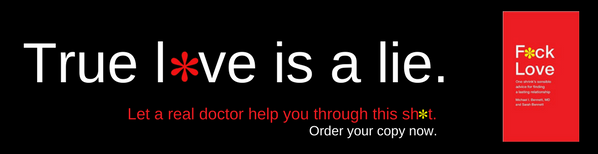
F*ck Love: One Shrink’s Sensible Advice for Finding a Lasting Relationship

Being helpful, loving, and thoughtful are like the natural resources of character; wonderful, precious and in need of careful management and protection. So whether you’re talking about kindness and generosity or clean drinking water, you risk draining or ruining a precious resource if you don’t recognize it as such and distribute it with the utmost care.
That’s why, as good as your qualities are, it’s bad to give unlimited, boundless support to someone who can’t give back, even if they have cancer. And that’s what happens when you’re not only giving emotional support but also being physically intimate with someone who seems to take from you, both without limits and any indication that they ever intend to reciprocate your generosity or emotional investment.
Your job isn’t to give as much as you can to those you love, but to protect yourself and your most precious resources, namely your heart, from caring too much and falsely expecting a big commitment in return.
With a partner, you can expect to put up with one another’s illnesses, bad moods, and periods of unemployment, knowing you still stay together. But if the person you’re caring about and for doesn’t have the will and ability to be a partner when he’s well, you’re setting yourself up for major disappointment and heartache.
In this case, you didn’t protect yourself from the risks of oversharing and overhelping with someone under-worthy. Putting aside all the negative thoughts that sorrow puts in your head, however, you’ve actually learned a valuable lesson; you’ve realized that your goal isn’t to enjoy the special intimacy and good feelings that come from surviving an illness together, but to figure out how to set limits for yourself and dependency. Remember, you can be giving and friendly without letting wishful thinking push you into a closeness that can’t last and won’t be reciprocated.
Review the reasons you initially limited your expectations; recall what you knew about his past relationships, his behavior, or even his explicit wishes that told you a relationship with him would have limits. If a guilty sense of obligation now forces him to call you more frequently, that won’t meet your needs. Quite aside from how much it hurts, use observations and not wishful thinking to tell you whether illness or anything else is really likely to change him or give you the relationship you want.
If you can’t expect his feelings to grow, you also can’t fairly expect the hurt to go away soon; like your love, it’s not something you control. The best you can do is take away a lesson from experience, even if that lesson contradicts your ideal of devoting yourself to a friend in dire need, and work at building a new boundary, using a therapist or coach if necessary.
Despite the sadness or occasional slip into poorly controlled behavior, take pride in having learned something that will help you manage your helping tendencies better in the future. That way, when you meet someone who cares about you and your resources as much as you do, you’ll still have some left to share.
STATEMENT:
“I wish I didn’t feel obsessed with this guy whom I suspect will not want a real commitment to me in spite of the way his illness drew us together, but I’m glad I was a good friend and believe I will be much better in the future at knowing when to help others and when to protect myself.”